When a person first sits in front of a slot machine, they rarely think about the design in a conscious way. Yet within seconds, the visual style—whether calm and minimal or bright and complex—begins shaping how they feel, how they focus, and even how they make decisions. Some machines present a clean layout with only a few symbols and soft tones, while others are filled with flashing lights, layered animations, and constant movement.
This contrast between simple and busy design is not accidental. It reflects two very different psychological approaches to engagement. And while both can feel enjoyable, they guide the player’s experience in very different ways.
Studies in visual cognition suggest that design complexity directly affects attention, decision speed, and emotional response, often without the user being aware of it. In other words, the way a slot machine looks quietly changes how it feels to play.
The Quiet Ease of Simple Designs
Simple slot machines carry a kind of visual stillness. There are fewer symbols, less motion, and more space between elements. This creates clarity. The player can easily see what is happening without needing to search or process too much information.
This clarity reduces what psychologists call cognitive load—the mental effort required to understand a situation. When cognitive load is low, the brain feels more relaxed, and decisions feel easier to process.
A player described this feeling clearly:
“On simpler machines, I feel like I actually know what’s going on. It’s calmer, less distracting.”
That calmness matters. In simpler designs:
- The pause before each spin feels more noticeable
- Outcomes are easier to interpret
- Decisions feel slower and more deliberate
This creates a more grounded experience. The player is not being pulled in multiple directions, so attention can stay steady.
There is also a subtle sense of transparency. Because there are fewer visual layers, the experience feels more “honest,” even if the underlying mechanics are the same. Research shows that users often associate simplicity with trust, even when there is no real difference in functionality.
The Energy of Busy Designs
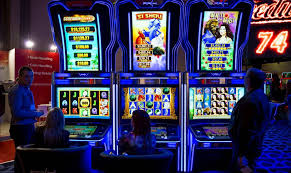
Busy slot machines take the opposite approach. They are designed to capture attention instantly and hold it continuously. Bright colors, animated symbols, sound effects, and layered visuals create an environment that feels alive and constantly active.
This type of design increases sensory stimulation. The brain receives more visual and auditory input at once, which can heighten excitement and engagement.
A frequent player described it like this:
“It feels more exciting. There’s always something happening, even when nothing big is going on.”
That constant activity creates a sense of momentum. The experience feels faster, even if the timing of spins is identical to simpler machines.
However, there is a trade-off. Research indicates that high visual complexity can reduce attention to detail, because the brain prioritizes overall stimulation rather than specific elements. This means:
- Decisions may become quicker
- Reflection becomes less frequent
- The experience feels more immersive, but less controlled
Busy designs also create stronger emotional responses. Bright colors and motion are known to stimulate dopamine-related pathways, which are associated with reward and motivation. This can make the experience feel more engaging—but also more intense.
How Design Shapes Thought and Behavior
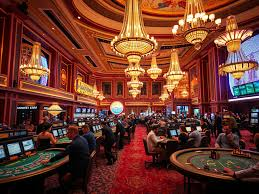
The difference between simple and busy designs goes beyond appearance. It directly affects how people think, feel, and act during play.
A simple design creates space. That space allows:
- Slower thinking
- Clearer perception
- More noticeable pauses
A busy design fills that space. It creates:
- Continuous stimulation
- Faster reactions
- Reduced awareness of pauses
In behavioral studies, environments with higher stimulation levels have been shown to increase action frequency, meaning people tend to act more quickly and more often. This can lead to longer engagement times, simply because the experience feels more dynamic.
At the same time, simpler environments are often linked to greater decision awareness, where individuals are more conscious of their choices.
One player summarized this contrast well:
“Simple machines make me think more. Busy ones make me just keep going.”
This highlights how design can subtly shift behavior—not by forcing action, but by shaping the mental environment in which decisions are made.
Emotional Experience: Calm vs Stimulation
At a deeper level, the difference between these designs reflects two emotional experiences:
Simple designs tend to create:
- Calmness
- Clarity
- A sense of control
Busy designs tend to create:
- Excitement
- Immersion
- A sense of momentum
Neither is inherently better. They simply serve different psychological needs.
Some players prefer the quiet clarity of a simple layout, especially when they want a slower, more controlled experience. Others are drawn to the energy of busy designs, where the constant activity feels entertaining and engaging.
Interestingly, research in user experience shows that people often choose environments that match their current emotional state. Someone seeking calm may gravitate toward simplicity, while someone seeking stimulation may choose complexity.
The Subtle Influence on Time and Attention

One of the most important differences lies in how these designs affect time perception.
Busy environments, with constant motion and sound, tend to make time feel shorter. This is because the brain is continuously engaged, leaving less space to notice the passage of time.
Simple environments, on the other hand, allow more awareness of pauses and intervals. Time feels more visible, more noticeable.
A player reflected this difference:
“On busy machines, time flies. On simple ones, you’re more aware of each spin.”
This difference can influence how long someone stays engaged, often without them realizing it.
A Gentle Balance Between Calm and Stimulation
When we look closely, it becomes clear that both simple and busy designs offer something valuable. One provides space and clarity. The other provides energy and immersion.
The key is not choosing one over the other, but understanding how each affects us.
Awareness creates a small but important shift:
- You begin to notice when your attention is being pulled
- You recognize when decisions feel rushed or calm
- You see how the environment shapes your experience
This does not reduce enjoyment. It simply adds clarity.
A Soft Closing Thought
The difference between simple slots and busy designs is more than visual—it is psychological. It reflects how the human mind responds to space, color, movement, and rhythm.
Simple designs invite stillness.
Busy designs invite motion.
Both are carefully created experiences, each guiding attention in its own way.
And perhaps the most important thing is not which one we choose, but how aware we are while experiencing them.
Because in that awareness, the design no longer quietly leads us—we begin to see it, understand it, and move through it with a little more balance, a little more clarity, and a deeper sense of choice.