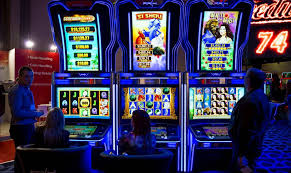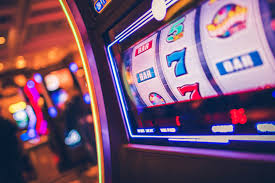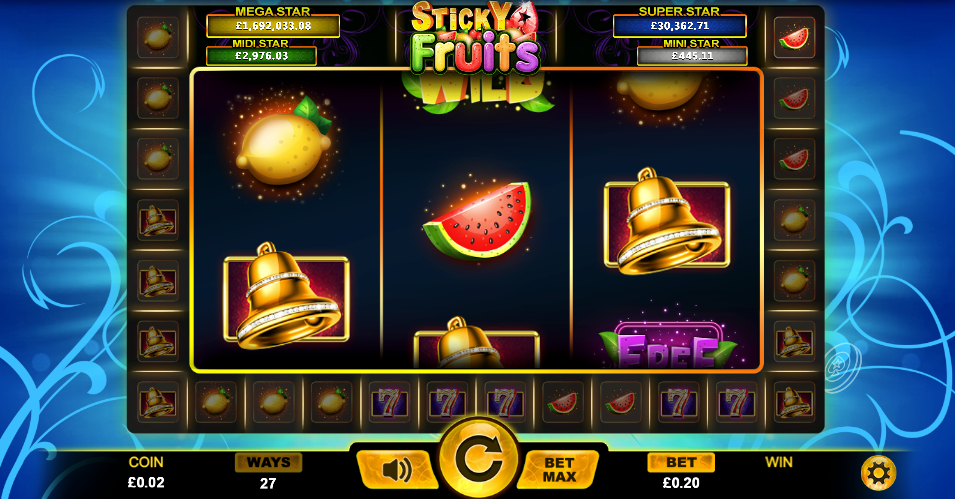
There is something quietly comforting about seeing the same shapes, images, and signs appear again and again—especially in a place where everything else feels uncertain. In environments like slot machines, where outcomes constantly shift and nothing can be predicted, familiarity becomes a kind of emotional anchor. And that anchor often comes from symbols.
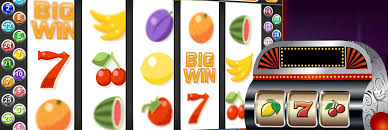
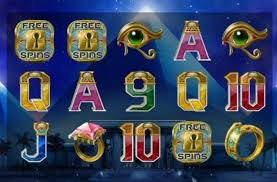
These symbols—cherries, bars, sevens, coins, or themed icons—may seem simple at first glance. Just graphics spinning across a screen. But over time, they begin to feel known. Recognizable. Almost familiar in a personal way. Even when a player does not consciously think about them, these repeated images create a subtle sense of ease, as if something in the environment is stable, even when everything else is not.
Psychological research shows that the human brain prefers familiarity because it reduces cognitive effort, allowing us to process information more quickly and comfortably. This means that repeated symbols don’t just make the game easier to follow—they make it feel better to engage with.
How Repetition Builds a Sense of Comfort
When a player sees the same symbols over and over, something subtle begins to settle in the mind. Recognition becomes automatic. The brain no longer needs to work as hard to understand what it is seeing, and this creates a feeling of ease.
This effect is known as processing fluency—the idea that the easier something is to process, the more positively we tend to feel about it. In simple terms, when something feels familiar, it also feels comfortable.
In a slot machine setting, this comfort is important. The environment is filled with uncertainty, rapid movement, and constant change. But the symbols remain consistent. They repeat. They return. And that repetition creates a sense of stability.
A player once described this feeling simply:
“I don’t really think about the symbols, but when I see them, it just feels normal—like I know what’s going on.”
That sense of “knowing” is powerful, even if it is only about recognition rather than outcome. It creates a small pocket of certainty in an otherwise unpredictable space.
Over time, this repetition does more than create comfort—it creates familiarity that feels almost personal. The symbols become tied to past experiences, moments of anticipation, small wins, or even losses. And because of that, they begin to carry emotional meaning.
When Symbols Begin to Feel Meaningful
As familiarity deepens, symbols can begin to feel like they mean something more than they actually do. A certain combination might feel “lucky.” Another might feel disappointing. These feelings are not based on logic, but on repeated experience.
The human brain is naturally wired to search for patterns, especially in uncertain situations. This tendency, known as pattern recognition bias, leads us to find meaning even where none exists.
In slot machines, this often shows up as:
- Believing certain symbols appear more frequently
- Feeling that specific combinations are “due”
- Associating certain images with positive outcomes
Statistically, these beliefs do not hold up—most slot machines operate on random systems where each outcome is independent. Yet emotionally, the patterns feel real.
One player shared this experience:
“Every time I saw two sevens line up, I felt like the third one had to come next. It just felt like it meant something.”
This is where familiarity turns into perceived meaning. The symbols are no longer just images—they become part of a story the mind is quietly building.
And that story can influence decisions in subtle ways.
The Habit of Recognition
As time passes, recognizing symbols becomes effortless. It no longer requires attention or thought. The brain processes them instantly, allowing the player to move through the experience with ease.
This creates a habit.
The player is no longer actively analyzing each spin. Instead, they are responding to a familiar flow—symbols appear, are recognized, and are processed almost automatically. This frees up mental space, allowing the focus to shift from what is happening to how it feels.
Research in neuroscience suggests that repeated exposure to familiar visual cues strengthens neural pathways, making responses faster and more automatic over time. This is why experienced players often feel more comfortable in these environments—they have seen it all before.
A regular player explained it this way:
“After a while, you don’t even look closely anymore. You just know what you’re seeing.”
This automatic recognition makes the experience smoother, but it also reduces the natural pauses where reflection might occur. Decisions begin to feel easier, quicker, and less deliberate.
Familiarity and the Feeling of Control
One of the more subtle effects of familiar symbols is the sense of control they can create.
Even though the outcomes are random, the repeated symbols make the environment feel understandable. The player recognizes what is happening, which can create the illusion that they are also understanding why it is happening.
This distinction is important.
Familiarity gives the feeling of knowledge. And that feeling can sometimes be mistaken for control.
Studies show that people are more likely to feel in control in environments that appear predictable, even if they are not. In slot machines, symbols provide that appearance of predictability.
They repeat.
They follow patterns.
They look structured.
But beneath that structure, the outcomes remain random.
Still, the feeling of control can be comforting. It reduces uncertainty, making the experience feel less chaotic and more manageable.
A Gentle Awareness of What We See
Understanding the role of symbols does not take away their effect. They remain visually engaging, familiar, and part of what makes the experience feel smooth and accessible.
But awareness adds clarity.
When we recognize that familiarity is influencing how we feel, we gain a small distance from it. We begin to see that the comfort comes not from the outcome, but from the repetition itself.
This awareness creates space:
- Space to notice patterns without assuming meaning
- Space to experience familiarity without being guided by it
- Space to make decisions with a clearer perspective
It does not remove the experience—it simply makes it more transparent.
A Soft Closing Thought
The way symbols create familiarity for players is a quiet and steady process. Through repetition and recognition, simple images become something more—anchors of comfort in an uncertain environment.
They shape how we feel, how we perceive, and how we move through the experience, often without us even noticing.
But familiarity, while comforting, is not the same as understanding.
And when we begin to see that difference, something shifts.
The symbols remain the same.
The experience remains engaging.
But the way we respond becomes a little softer, a little clearer, and a little more our own.