Introduction
Engagement describes how much attention and interest a person gives to an activity. In slot games, it can be influenced by the visual theme, speed of interaction, clarity of feedback, and variety of features. Some players enjoy colourful graphics and familiar symbols, while others prefer simple interfaces and straightforward rules.
Understanding engagement requires looking beyond flashy animations. The way a game presents information, responds to actions, and structures its features can affect whether the experience feels coherent or frustrating. It is also important to distinguish engagement from financial success: a game that holds attention does not necessarily offer better odds or a higher chance of winning. Source of more about it.
Visual Design Creates the First Impression
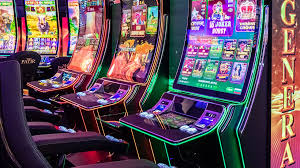
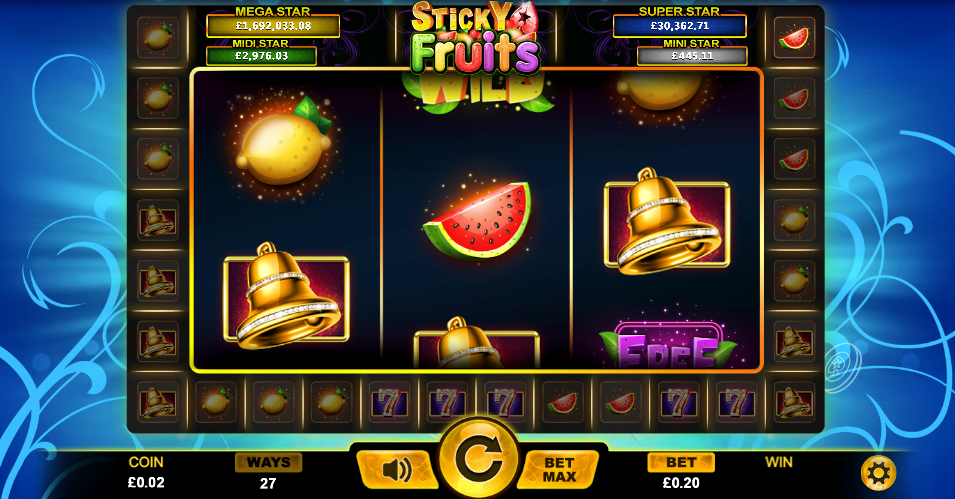
The visual presentation is often the first thing users notice. Themes, colour palettes, symbol artwork, and reel layouts help establish a game’s identity.
A consistent design can make a game feel easier to understand because its elements follow a recognisable visual language. Symbols look distinct, buttons appear where users expect them, and important information stands out from decorative artwork.
Too much detail can have the opposite effect. Busy backgrounds, competing colours, and constant movement may make it difficult to focus on the reels or read the rules. Effective visual design balances atmosphere with clarity.
Responsive Feedback Makes Interactions Understandable
People generally find interfaces easier to use when actions receive clear feedback. A button response, a visible transition, or an explanation of a game event can help users understand what happened.
In slot games, feedback may include reel movement, symbol highlighting, notifications, and feature transitions. The design should make it clear when an action has been registered and when a result is final.
Feedback should also be accurate. Dramatic effects should not conceal the amount won or the difference between a payout and the total stake. A clear display of relevant figures allows players to assess results without relying on the emotional tone of an animation.
Variety Can Maintain Interest
Different visual themes, bonus formats, and symbol arrangements can make games feel distinct. Variety may encourage users to explore how a particular title works, especially when the rules are explained clearly.
However, more features do not automatically produce a better experience. A game with too many mechanics can become difficult to understand, while a simpler game may be more comfortable for someone who prefers predictable navigation.
The important question is whether each feature adds a clear purpose. If a feature is difficult to explain or contributes little beyond visual complexity, it may make the experience less coherent rather than more interesting.
Pace and Session Flow Matter
The speed of transitions and the time required to navigate menus affect the rhythm of a game. Slow loading, inconsistent animations, and confusing navigation can interrupt attention for frustrating reasons.
Smooth performance can make interactions feel more natural. Clear transitions help users understand when a new stage begins, while consistent control placement reduces the need to relearn the interface.
Yet faster interaction is not always better. A design that encourages rapid, repeated actions without meaningful pauses may make it harder for users to reflect on time and spending. Responsible design should support awareness rather than simply minimise the time between actions.
Sound and Animation Influence Emotion
Music and sound effects can establish atmosphere and make events more noticeable. A short cue may confirm an interaction, while a musical change can signal a transition.
Animation works similarly by directing attention. A subtle highlight can explain which symbols matter, while an elaborate effect can make a feature feel dramatic.
These tools can enhance presentation, but they can also distort perception if used carelessly. A small payout accompanied by a large celebration may feel more significant than its financial value. Designers should make actual results easy to review and avoid implying that a near miss predicts a future win.
Personal Preferences Shape Engagement
Different people respond to different design choices. Some prefer minimal effects, while others enjoy elaborate artwork. Some value simple rules, while others appreciate more complex features.
Useful customisation may include volume settings, readable text, animation preferences, and straightforward navigation. These options let users adapt the interface without forcing a single style on everyone.
Personalisation should be handled carefully when it relies on behavioural data. Platforms should explain relevant data practices, respect privacy, and avoid using personal information to pressure users into extended gambling sessions.
Engagement Should Include Responsible Choices
Engagement is not inherently positive if it comes at the cost of time, money, or wellbeing. Features that encourage people to keep playing despite fatigue or financial limits can create risks.
Responsible design can include visible session information, spending limits, breaks, cooling-off periods, and self-exclusion tools. These features should be easy to access and should work alongside clear transaction records.
Players can also make their own plans before starting, including deciding how much time and money they can afford to spend. Gambling should not be treated as a way to earn income or recover previous losses.
Conclusion
Player engagement with slot games can be influenced by visual clarity, responsive feedback, variety, sound, animation, and ease of navigation. Good design makes the experience understandable and consistent without overstating the importance of outcomes. Engagement should never be confused with improved winning chances, and responsible features are an essential part of a well-designed platform.
Frequently Asked Questions
What makes a slot game engaging?
A coherent theme, readable interface, responsive controls, clear feedback, and features that are easy to understand can all contribute to engagement.
Do more animations make a slot game more enjoyable?
Not for everyone. Animation can add atmosphere, but excessive movement may distract users or make the interface uncomfortable.
Does staying engaged longer increase the chance of winning?
No. Spending more time playing does not guarantee a win or improve the underlying odds. Longer sessions can also increase total spending and potential losses.