Introduction
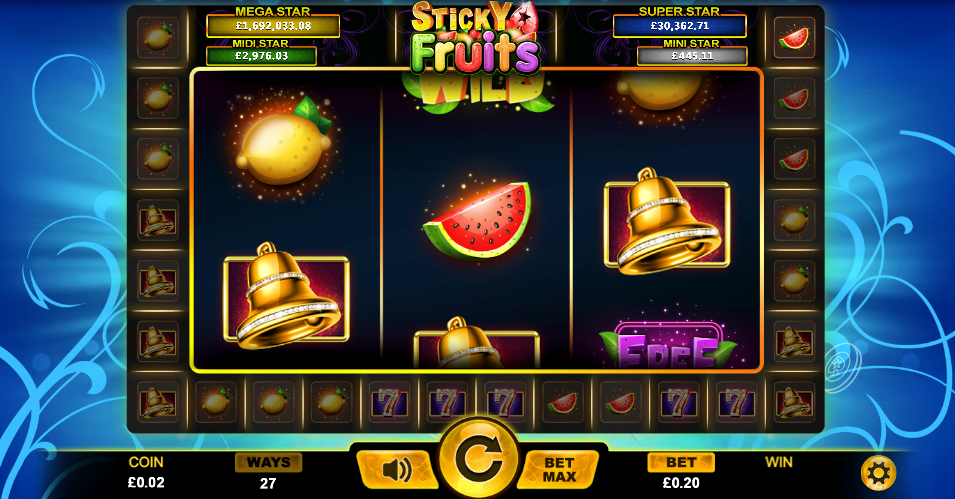
Slot games are built from several connected design systems. Artwork establishes the theme, reels display outcomes, sound provides feedback, and interface controls guide interactions. Together, these elements create an experience that can feel simple to navigate while still offering visual variety.
Designers also consider how players respond to repeated interactions. Timing, rewards, changing animations, and feature transitions can all influence attention. Understanding these techniques helps explain why some games feel more absorbing than others. It also helps separate engaging presentation from the actual mathematical probability of winning. Read on!
Clear Interfaces Reduce Friction
One of the most basic ways to support engagement is to make the game easy to understand. If users cannot find the rules, distinguish symbols, or locate important controls, they may become frustrated before appreciating the design.
Developers use visual hierarchy to organise the screen. The reels receive a central position, interactive controls are grouped logically, and less important decorative elements stay in the background.
Clear labels and predictable navigation also reduce unnecessary effort. A player should not need to guess what a button does or search through several menus to find payout information.
A well-organised interface supports engagement through usability rather than confusion.
Themes and Visual Variety Create Identity
Themes give games a distinctive style. Adventure, mythology, nature, music, and futuristic settings each provide different opportunities for artwork and animation.
Designers maintain interest by connecting the theme to symbols, background details, transitions, and special features. A treasure-themed game might use locked chests and discovery animations, while a space-themed game could use planets and electronic effects.
Visual variety works best when it supports a consistent identity. Constantly changing colours or introducing unrelated effects may attract attention briefly but can make the game feel disorganised.
Feedback Makes Each Interaction Feel Connected
Feedback communicates that an action has occurred. Reels begin moving, buttons respond to taps, and visual indicators identify relevant events.
These responses help users understand the relationship between their actions and what appears on screen. When feedback is delayed or unclear, the interface can feel unreliable.
Designers should ensure that feedback reflects the actual game state. If a connection problem interrupts an action, the platform should explain what happened instead of leaving the player uncertain.
Clear feedback is especially important when financial transactions are involved. Deposits, withdrawals, and changes to account settings should have transparent status information.
Variable Rewards and Uncertainty
Many slot games use outcomes that vary from one play to another. This uncertainty is part of their basic structure and can make each result unpredictable.
In behavioural psychology, variable reinforcement refers to situations where rewards do not arrive after every action or follow a simple predictable pattern. Such schedules can influence repeated behaviour in some contexts. However, the precise effects depend on the situation and the individual, and not every player responds in the same way.
In gambling, the randomness of outcomes can also lead people to search for patterns that are not predictive. A series of losses does not mean a win is due, and a previous win does not guarantee another one.
Responsible design should not suggest that repeated play makes a favourable outcome inevitable.
Bonus Features and Progress Indicators
Bonus rounds, special symbols, collection mechanics, and progress indicators can add complexity to a game. They may give players additional rules to learn and make different stages look distinct.
These features need clear explanations. A progress meter should accurately describe what it measures, and a bonus feature should communicate its conditions without implying that a reward is guaranteed when it is not.
Designers should also consider whether progress indicators create unnecessary pressure to continue. If a player is close to a displayed milestone, the interface should not use misleading messages to encourage spending beyond a planned limit.
Sound and Animation Direct Attention
Sound effects and animation help users notice important events. A short tone can confirm an interaction, while a symbol highlight can show which part of the result is relevant.
These effects can make the interface more expressive, but they also influence emotional responses. A large celebration may make a small payout seem more substantial than it is, especially if the total stake is not clearly displayed.
Good design makes the underlying result easy to check. Animation should clarify the interface rather than obscure the difference between a gross payout and a net gain or loss.
Audio controls and restrained effects also make the experience more comfortable over time.
Mobile Design Encourages Convenient Access
Mobile compatibility allows users to access games through phones and tablets. Responsive layouts, touch-friendly buttons, and efficient loading make the interface easier to use across devices.
However, convenience can also make gambling easier to access during unplanned moments. Designers should consider the implications of notifications, one-tap actions, and rapid transitions.
Useful safeguards include session reminders, spending limits, cooling-off tools, and accessible account histories. These controls should be clearly visible rather than hidden behind layers of menus.
Responsible Engagement Is Different From Maximising Play
A design can hold attention without encouraging excessive activity. Clear instructions, comfortable visuals, transparent financial information, and easy access to breaks can support a better experience.
Developers should avoid misleading near-miss presentations or claims that a player is becoming more likely to win after repeated losses. Near misses do not provide reliable information about the next independent random outcome.
Players can also establish personal time and spending limits before beginning. Gambling should not be used to solve financial problems, and losses should not be treated as money that must be recovered.
Conclusion
Slot games maintain attention through a combination of interface clarity, visual themes, feedback, uncertain outcomes, feature design, sound, and animation. These elements can make a game more coherent and absorbing, but they do not improve its mathematical odds. Responsible design balances engagement with transparency, user control, and practical safeguards.
Frequently Asked Questions
What design features help maintain player engagement?
Clear navigation, consistent visual themes, responsive feedback, understandable bonus features, and smooth performance can all support engagement.
Do bonus rounds mean a player is more likely to win overall?
Not necessarily. The effect of a bonus feature depends on the game’s rules and mathematical configuration. Its appearance alone does not establish the chance of a profitable result.
How can slot game design encourage responsible play?
Platforms can provide visible spending information, time reminders, account limits, cooling-off options, and clear explanations of game rules and outcomes.